



rolling mill hot rollers
Introduction to Cladding Rolling Mill Technology The Cladding Rolling Mill represents a significant advancement in metal bonding technology, offering a sustainable and efficient alternative to traditional methods like hot rolling and explosive cladding. Developed by Beijing Yang Wang Li Xin Sci&Tech Co.,Ltd. , this innovation addresses critical industry challenges such as surface quality, energy consumption, and production costs. By leveraging cold rolling processes, the technology ensures superior material performance while aligning with global environmental protection standards. Technical Features of the Cladding Rolling Mill The Cladding Rolling Mill is engineered to deliver exceptional performance through its advanced technical features. Key highlights include: Superior Surface Quality: The cold rolling process eliminates surface oxides, eliminating the need for acid pickling. This results in a high-quality surface finish that meets stringent industrial standards. Energy Efficiency: By avoiding reheating and post-rolling acid treatment, the technology significantly reduces energy consumption, aligning with global NIST guidelines for sustainable manufacturing. Simplified Process: The three-phase workflow—surface treatment, bonding rolling, and annealing—ensures a streamlined production line with a yield rate exceeding 90%. Advantages of Cold Rolling Cladding Technology Compared to conventional methods, the Cold Rolling Cladding Technology offers transformative benefits: Cost-Effective Production: Lower energy requirements and reduced material waste make this technology ideal for high-volume manufacturing. Environmental Compliance: The absence of acid pickling and reheating processes ensures compliance with NIST environmental standards. Material Versatility: The system supports bonding of bimetallic and trilayer materials, including copper-steel, aluminum-steel, and stainless steel-steel combinations. The Cladding Rolling Mill has been successfully applied in producing strips with widths up to 1,000 mm and thicknesses as low as 0.2 mm, demonstrating its adaptability to diverse industrial needs. Application Scenarios for Cladding Rolling Mill The versatility of the Cladding Rolling Mill makes it suitable for a wide range of industries: Electronics: High-conductivity copper-steel strips are used in heat sinks and circuit boards. Chemical Industry: Corrosion-resistant aluminum-stainless steel composites are ideal for storage tanks and piping systems. Automotive: Lightweight, durable cladding materials enhance vehicle efficiency and safety. Construction: Decorative and functional cladding solutions reduce maintenance costs. These applications underscore the technology's role in driving innovation while adhering to NIST standards for material performance and sustainability. Company Background: Beijing Yang Wang Li Xin Sci&Tech Co.,Ltd. Founded on cutting-edge research, Beijing Yang Wang Li Xin Sci&Tech Co.,Ltd. has established itself as a leader in metal bonding solutions. The company's Cladding Rolling Mill division integrates global advancements with localized expertise to develop proprietary technologies. Their commitment to innovation is reflected in the ability to produce complex bimetallic and trilayer composites on a single production line. With a focus on energy efficiency and environmental responsibility, the company has addressed longstanding industry pain points. For instance, their Cold Rolling Cladding Technology has replaced traditional methods that often resulted in low yield rates and high production costs. Product Specifications Table Parameter Details Maximum Strip Width 1,000 mm Minimum Thickness 0.2 mm Material Combinations Copper-Steel, Aluminum-Steel, Stainless Steel-Steel, etc. Yield Rate Over 90% Energy Consumption Reduced by 30% compared to traditional methods Surface Quality OXIDE-FREE, requiring no acid pickling Why Choose YWLX's Cladding Rolling Mill? Investing in the Cladding Rolling Mill from Beijing Yang Wang Li Xin Sci&Tech Co.,Ltd. offers multiple advantages: Environmental Leadership: The technology aligns with NIST initiatives for sustainable manufacturing, reducing carbon footprints. Cost Savings: High yield rates and lower energy costs translate to significant operational savings. Scalability: The system supports both small-scale and large-scale production, adapting to evolving market demands. For industries seeking to balance performance with sustainability, the Cladding Rolling Mill provides a future-ready solution. Conclusion The Cladding Rolling Mill from Beijing Yang Wang Li Xin Sci&Tech Co.,Ltd. exemplifies the synergy between technological innovation and environmental stewardship. By addressing the limitations of traditional methods, this technology sets a new benchmark for efficiency, quality, and sustainability. As industries worldwide prioritize green practices, the Cladding Rolling Mill stands as a testament to the power of engineering excellence.

We have successfully executed over 500
projects around the world,
many first-of-their-kind
research projects and products in China, including
We have successfully executed over 500
projects around the world,
many first-of-their-kind
research projects and products in China, including
-
2004
The 1st hydraulic AGC system for hot rolling of ribbon steel
-
2006
The 1st AFC system used for 1450mm skin pass mill
-
2009
The 1st 5-stand tandem line with 2-stand POR & Uncoiler for 650mm ribbon steel
-
2012
The 1st reversing mill for 1380mm strip
-
2016
The 1st soft-rolling system used in skin pass mill
-
2019
The 1st fully automated medium-width tandem cold rolling mill
-
2021
The 1st 5000KN Twin-stand double skin pass mill
-
2022
The 1st coupled pickling line & tandem cold mill with two modes - big roller & small roller
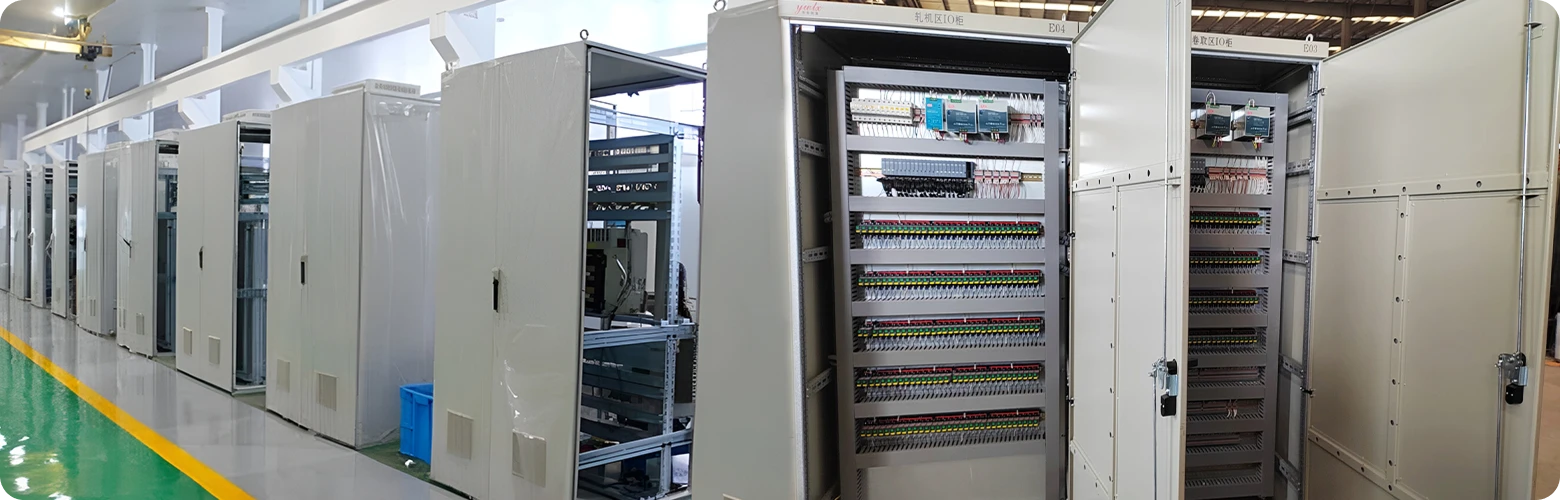
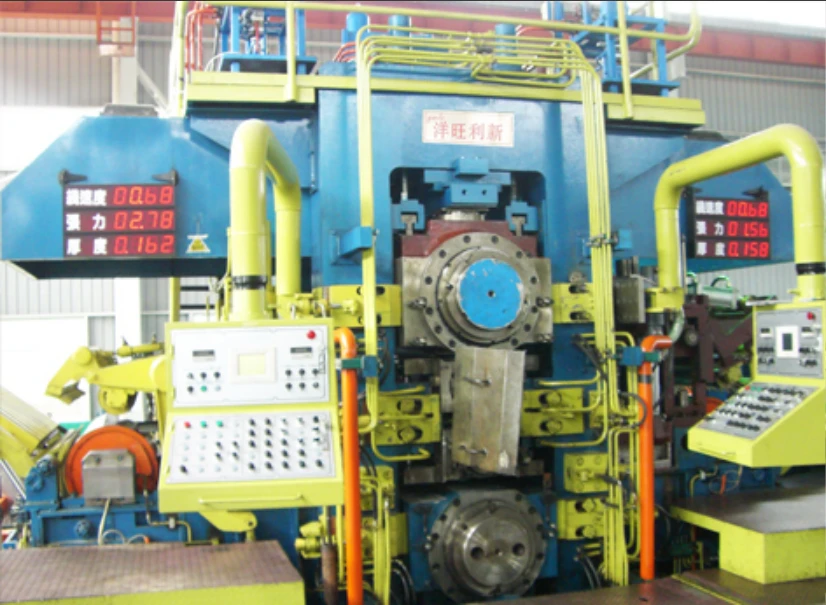
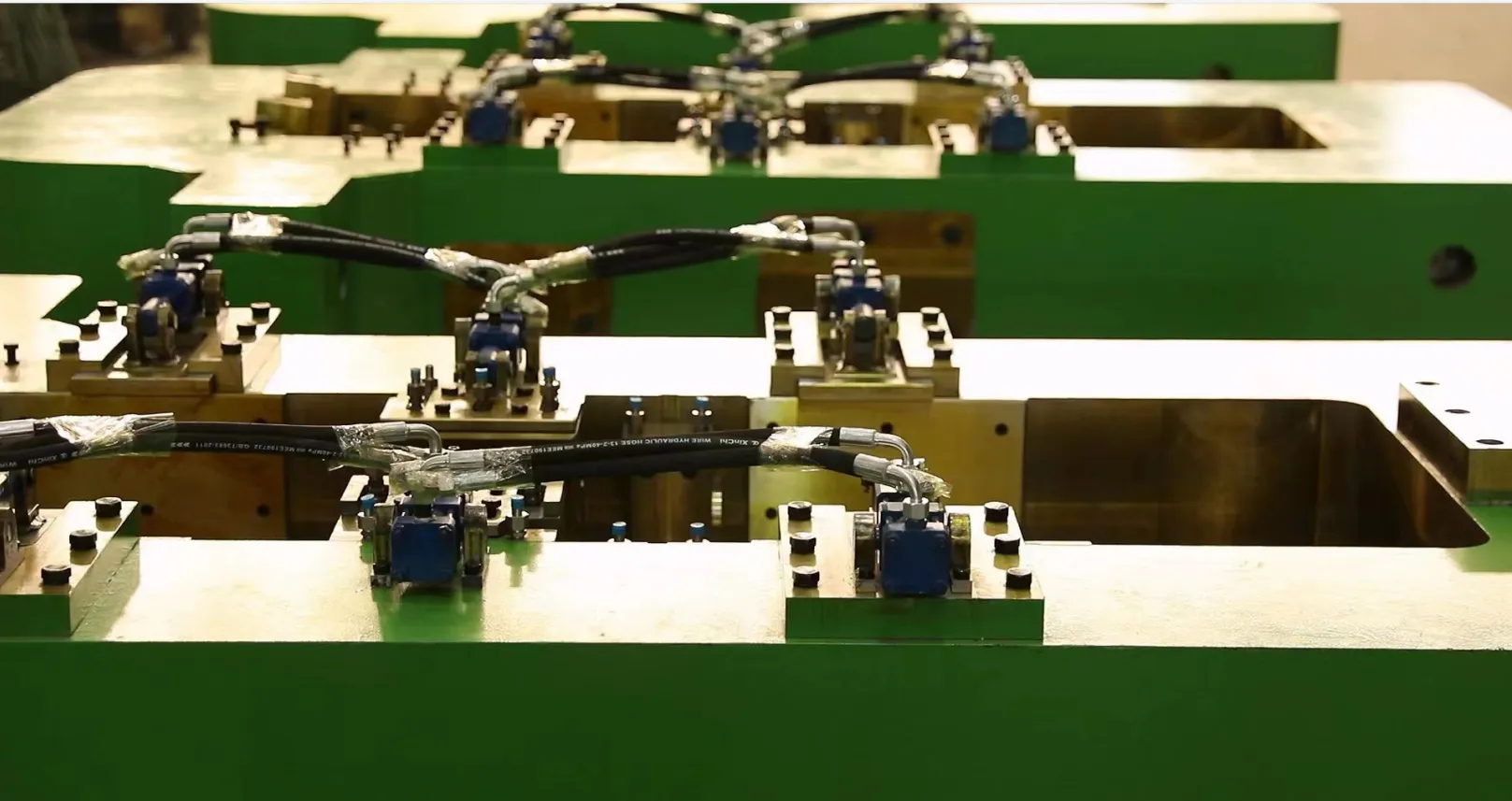
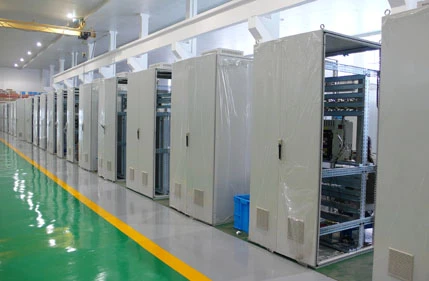
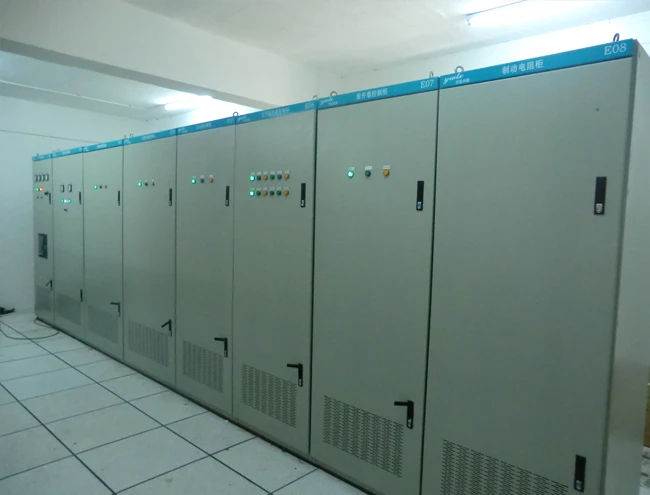
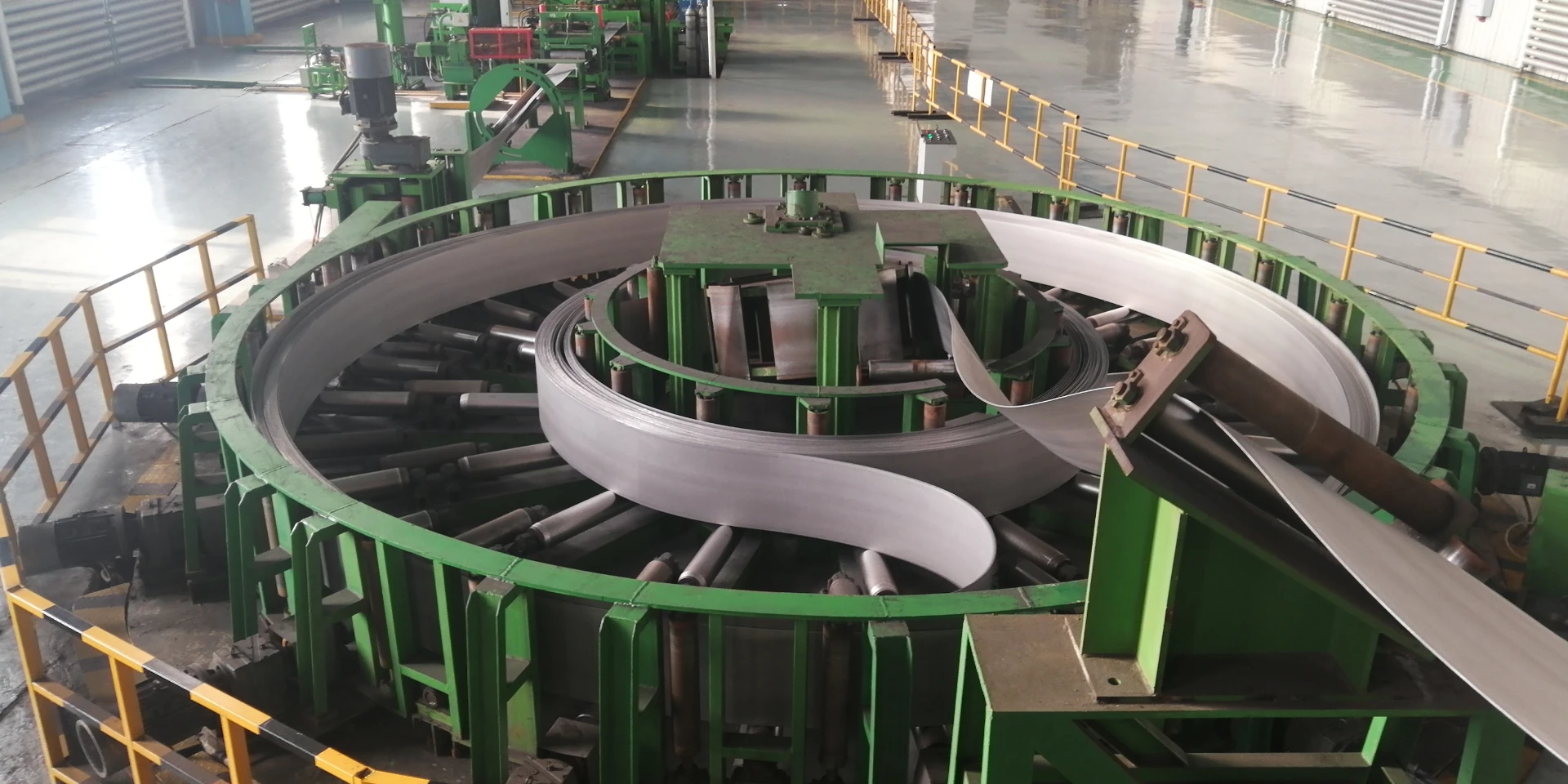
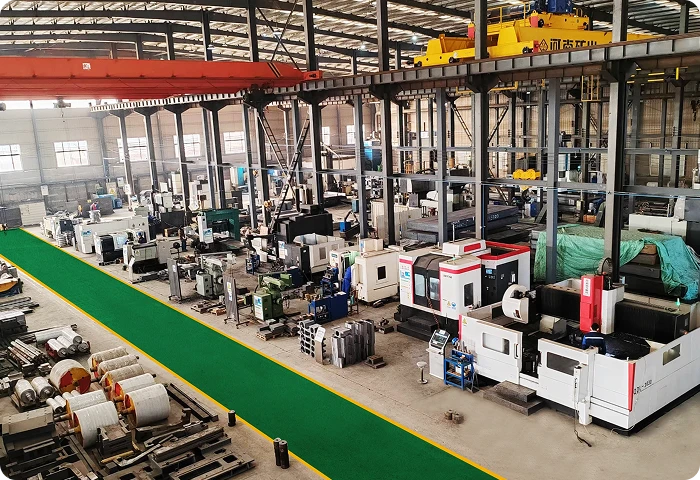
Yang Wang Li Xin operates a state-of-the-art facility over 66,000 square meters,and our manufacturing facility is fully equipped with high-tech machinery and high-capacity cranes. This enables us to handle large work pieces measuring 4.5m in width, 10m in length, and 1.5m in height, guaranteeing our capacity to produce 1800mm skin-pass mills and 1450mm rolling mills. The individual piece can weigh up to 100 tons.

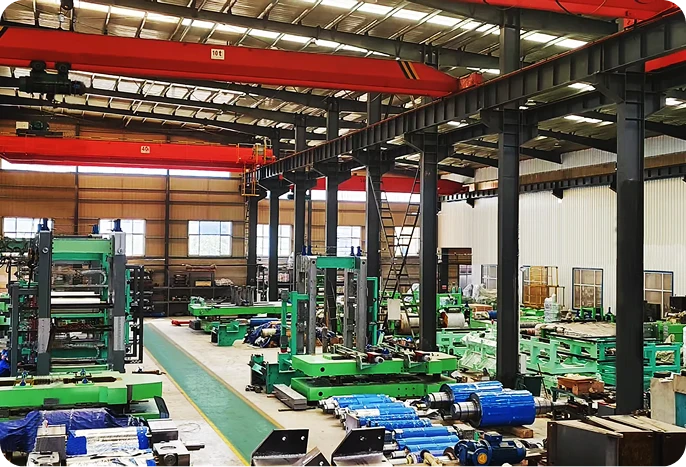

Quality is fundamental to the enterprise survival. We have established a comprehensive and meticulous quality management system and have successfully obtained ISO14000 certification. Starting from the design source, it supervises the entire production cycle, including design, procurement, processing, assembly, in-factory testing, installation, and online commissioning. The workshop is equipped with measuring tools like vernier calipers, spectrometers, hardness testers, and ultrasonic flaw detectors. They are used to check materials and control tolerances to ensure the final equipment meets or exceeds requirements. All products have a unique code, This enables the easy identification and traceability of the equipment components and ensures full control of quality.


-
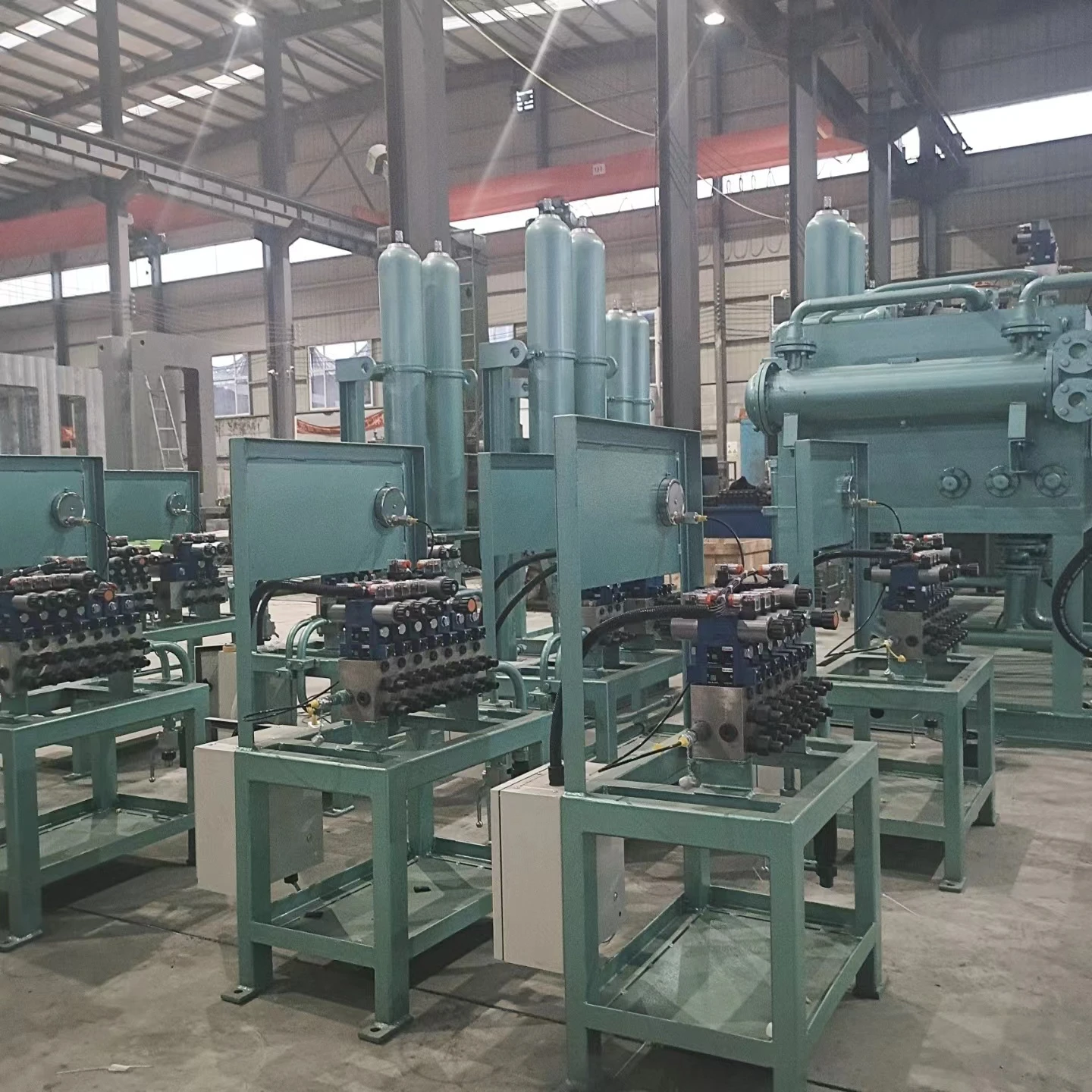 Water Cooling System for Water Tank: Efficient & Reliablewater cooling system for water tank,cooling water expansion tank,cooling water storage tank is a key solution in the Manufacturing industry, specifically within Metals & Mining and Steel Rolling Mills. This article explores how Beijing Yang Wang Li Xin Sci&Tech Co.,Ltd. supports professionals with durable, high-performance products, and explains why this product is an ideal choice for businesses i
 -
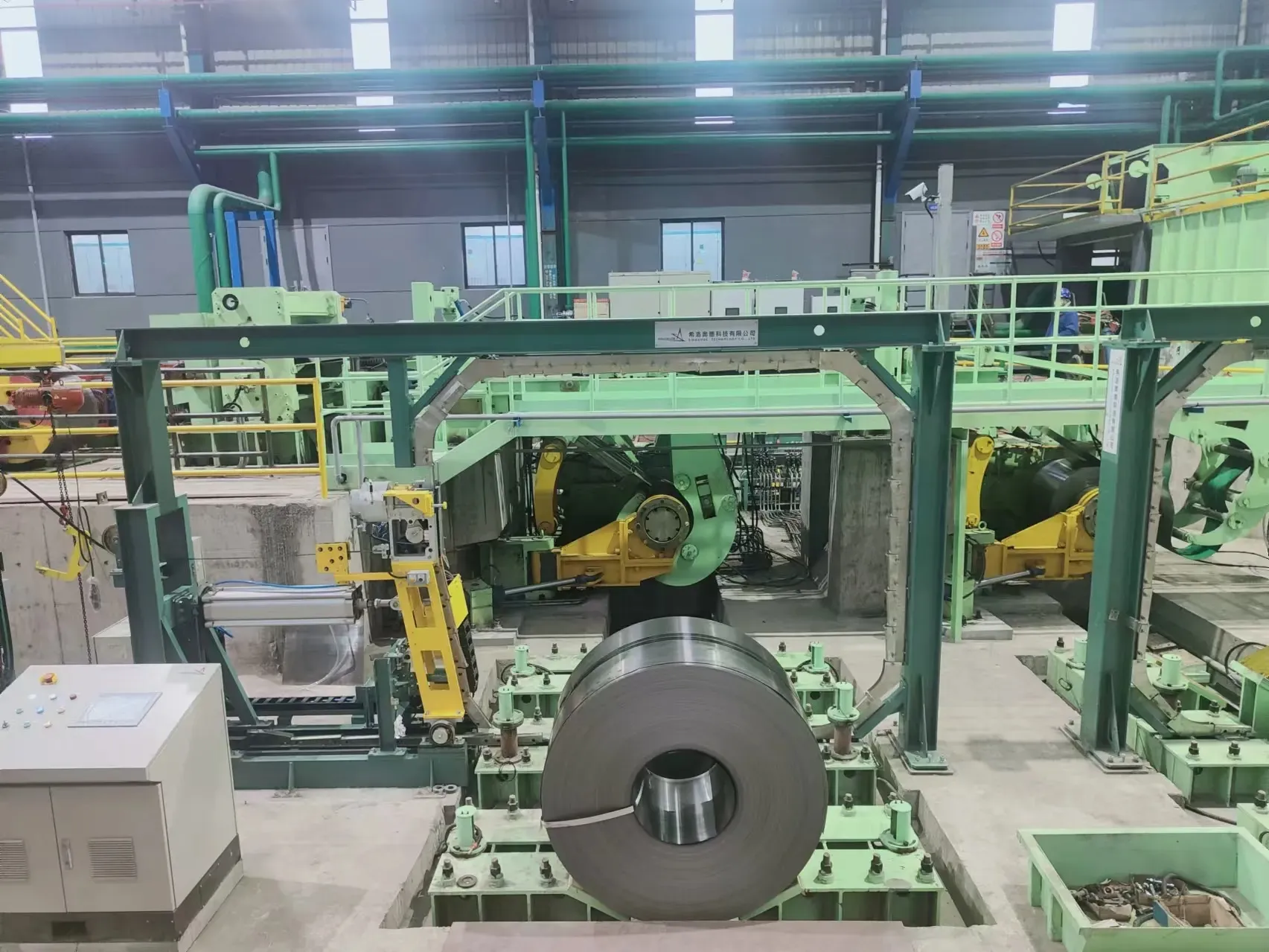 nastro di acciaio inossidabile laminato a freddoCold-rolled stainless steel strip is a fundamental element in various industries due to its universally acknowledged advantages. Renowned for its excellent mechanical properties and superb resistance to corrosion and oxidation, this material stands as a testament to modern engineering. Its prominent role in manufacturing, construction, and technology demands a closer look at its unique attributes
 -
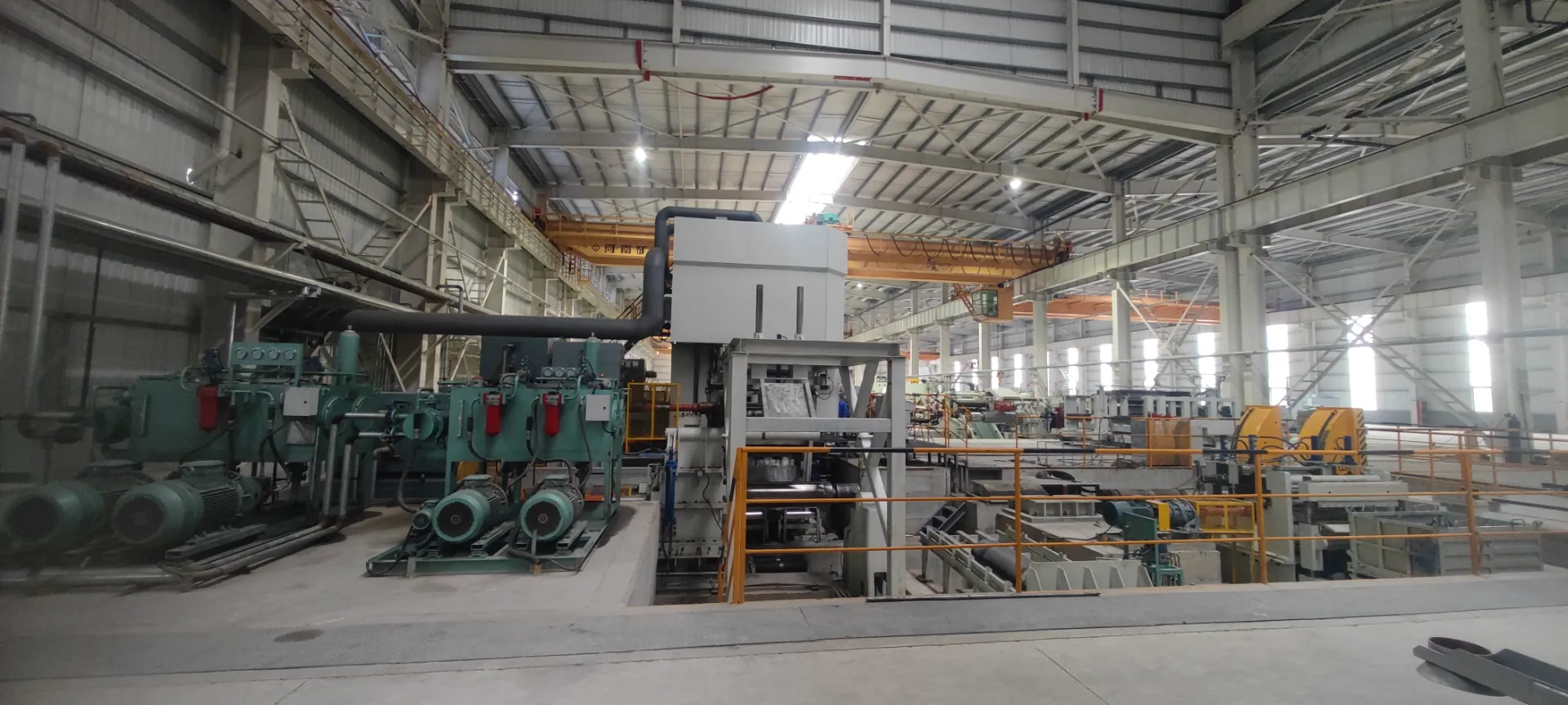 Water Quenching Enhanced by GPT-4-Turbo | AI OptimizationUnlock optimal efficiency in metallurgical and petrochemical industries with comprehensive analysis on the water quenching process , advanced Water Quenching System devices and international-standard solutions for a rapidly evolving market. See full product specifications Industry Trends & Application Demands As industries seek higher durability and energy efficiency, **water quenching process** s


